Europe’s new biometric Entry/Exit System (EES) is facing increasing criticism since it sparked significant delays at airports and border crossings. In fact, during its launch, travelers all over the region reported long waiting times.
For context, the European Union (EU) rolled out the EES in April 2026. Specifically, the system documents biometric information from non-EU travelers entering the Schengen Zone.
But the move has challenged airports, ports, and land border checkpoints. As a result, carriers and tour operators now predict even more massive disruption during the busy summer travel season.
Officials have noted congestion in France, Portugal, Bosnia and Herzegovina, as well as the UK-France border corridor. At the same time, some authorities have temporarily ceased biometric checks to shorten long queues.
Europe Introduces New Biometric Border Checks
Overall, the EES replaces traditional passport stamping for non-EU travelers. Instead, border officers now collect facial scans and fingerprints during entry procedures.
The European Union designed the system to improve border security and track overstays more accurately. Officials also expect the technology to streamline future border crossings.
However, first-time registrations require additional processing time. As a result, many airports and border checkpoints experienced immediate operational pressure.
Travelers entering the Schengen Area must now complete biometric enrollment before crossing borders. Consequently, processing lines have lengthened significantly during peak travel periods.
All in all, the EES represents one of Europe’s largest border technology changes in recent years. Nevertheless, critics argue that authorities underestimated the operational impact.
EU’s EES Causes Travel Chaos
Several major transport hubs reported severe delays during recent weeks. Notably, Lisbon Airport experienced heavy passenger congestion linked to the new checks.
Recently, an American journalist described the Lisbon situation as “chaos,” according to The Portugal News. Travelers reportedly waited several hours to complete border procedures.
Meanwhile, Nice Airport in France also experienced long passport control lines. Videos posted online showed crowded terminals and frustrated passengers.
Border crossings between Bosnia and Herzegovina and the European Union faced similar disruptions. Some travelers waited up to 10 hours at border checkpoints.
The UK-France border also experienced operational strain. Hence, French police temporarily suspended certain EES biometric checks at Dover after lengthy queues formed.
Authorities reportedly took measures to reduce traffic congestion near the port area. However, the move also highlighted growing concerns about system readiness.
Many travelers reported missing flights or facing significant schedule disruptions. Consequently, airlines urged passengers to arrive much earlier than usual.
Airlines Warn of Summer Travel Disruption
Airlines and tourism groups have become increasingly vocal about the delays. For instance, EasyJet called for temporary EES suspensions during busy school holiday periods.
In particular, the airline warned that long border queues could severely disrupt airport operations. Moreover, officials fear passengers may reconsider European travel plans.
The tourism sector remains heavily dependent on smooth summer travel operations. Therefore, prolonged delays could affect both airlines and local economies.
Travel industry groups also warned that airports may struggle during peak passenger volumes in July and August. As such, several carriers requested additional staffing and operational adjustments.
Port operators raised separate concerns about rising travel-related costs. According to Port Technology, operators may also add UK ETS-related charges to EES cost structures.
Nevertheless, industry leaders said border efficiency remains critical for tourism recovery and airline scheduling.
EU Officials Defend the System
Despite criticism, European officials continue defending the EES rollout. Authorities argue that the system strengthens security and modernizes border management.
The European Commission said biometric registration improves the detection of overstays and fraudulent travel documents. Officials also stated that initial delays should ease over time.
According to EU estimates, millions of border crossings have already been processed through the new system. Authorities also reported thousands of automated alerts for irregular travel records.
Officials emphasized that many delays stem from local staffing and infrastructure limitations rather than the technology itself.
The European Union expects future border crossings to become faster after initial biometric enrollment. Consequently, authorities describe the current disruptions as temporary adjustment problems.
However, critics argue that border infrastructure remains uneven across Europe. Smaller airports and busy land crossings appear particularly vulnerable to congestion.
Travelers Report Frustration and Confusion
Passengers across Europe expressed frustration over inconsistent procedures and long wait times. Many travelers said border staff provided limited information during delays.
Some passengers arrived at airports four hours before departure to avoid missing flights. Still, several travelers experienced significant delays.
Social media platforms are filled with complaints about crowded terminals and slow-moving lines. Videos from airports in Portugal and France spread widely online.
Meanwhile, first-time travelers under the EES often appeared confused about biometric requirements. Some passengers reportedly struggled with fingerprint registration procedures.
Travel advisers now recommend arriving earlier for flights entering the Schengen Area. Additionally, travelers are encouraged to prepare documents before reaching border checkpoints.
Several airports also introduced additional signage and passenger assistance teams. However, operational pressure continues to build ahead of the summer vacation season.
Summer Travel Will Test the System Further
Europe now faces a critical test as summer travel demand rises sharply. Millions of tourists are expected to cross Schengen borders during the coming months.
Consequently, border authorities must improve processing efficiency quickly. Airlines and tourism operators also want clearer coordination between governments and airports.
The European Union continues promoting the EES as a long-term modernization effort. However, travelers and transport operators remain focused on immediate operational problems.
Security concerns continue driving Europe’s push toward digital border systems. Nevertheless, smooth passenger movement remains essential for tourism and economic stability.
As Europe enters its busiest travel period, the success of the EES may depend on whether border systems can process passengers efficiently without creating widespread disruption.
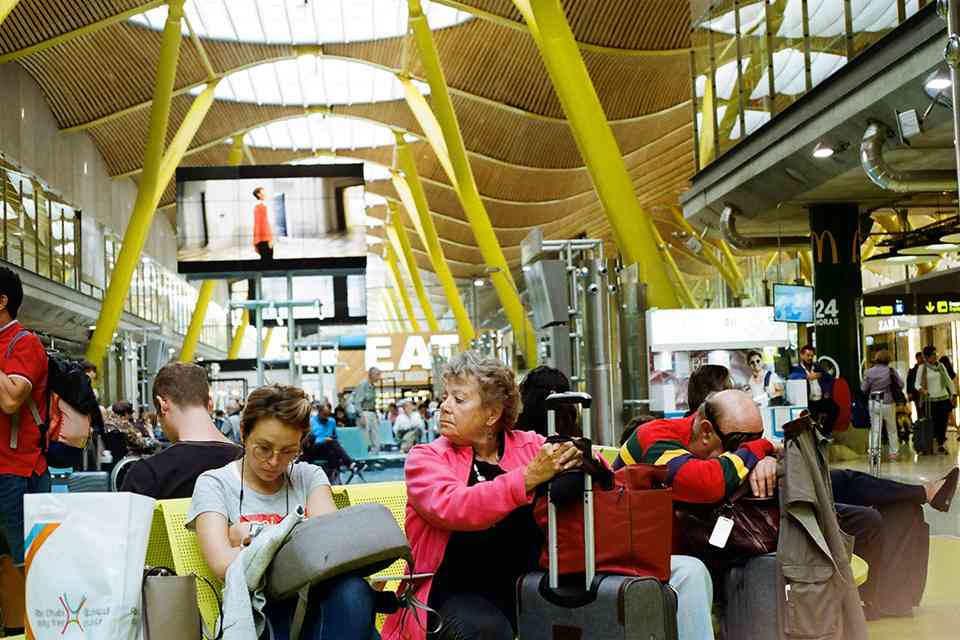
Photo by Carlos Coronado on Unsplash


